
The MK11 Krypt is not just a loot room hidden inside Mortal Kombat 11. It is a separate progression system built around currencies, key items, puzzle gates and return routes. Players who enter it like a normal treasure area often waste Koins, Hearts and Soul Fragments before they understand what actually opens the map.
The best way to approach the Mortal Kombat 11 Krypt is to follow item progression first and chest spending second. Get the War Hammer, unlock the Courtyard, move toward Motaro’s Horn, enter Goro’s Lair, collect Scorpion’s Spear, use Kenshi’s Blindfold carefully, then return with Ermac’s Amulet for Soul-based access. That order turns the Krypt from a confusing maze into a readable route.
Practical verdict: if you are starting the MK11 Krypt, do not try to open every chest early. Focus on tools that expand the map, save premium currencies for fixed-value rewards, and delay expensive chests until you know why they matter.
How the MK11 Krypt Actually Works
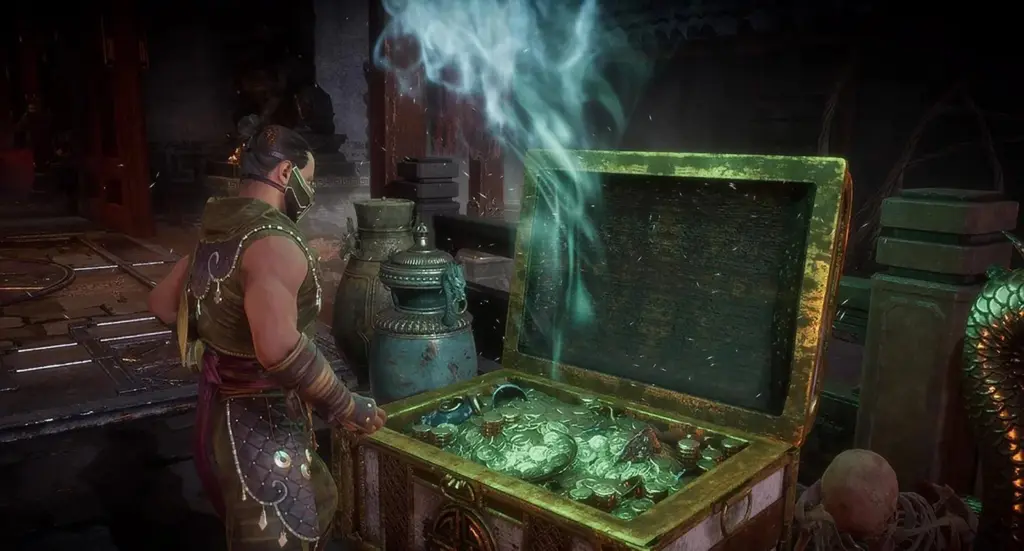
The Mortal Kombat 11 Krypt looks random at first because the player sees chests, locked gates, traps, statues and currency prompts almost immediately. Under that surface, the structure is much more controlled. The map is built around tools that change what you can interact with. Each major item turns old spaces into new routes.
There are three main currencies to manage. Koins open most standard chests and pay for many common rewards. Hearts are used for Shao Kahn chests and other premium interactions. Soul Fragments power Soul Vaults, green barriers, rubble lifts and several hidden mechanics later in the route.
The mistake is treating all currencies as equal. Koins are easier to recover through play. Hearts are slower and should be saved for more predictable character rewards. Soul Fragments become more valuable after Kenshi’s Blindfold and Ermac’s Amulet, because they stop being a side currency and become fuel for exploration.
Chest Rules: What to Open and What to Delay
Chest prices give useful signals, even when exact rewards vary. Low-cost Koin chests often contain smaller rewards such as art, music, crafting materials and minor items. Mid-range chests are more likely to hold gear, brutalities, fatalities, taunts or stronger utility rewards. Higher-cost chests can be worth opening later, but they should not consume your full early budget.
Shao Kahn chests are different. Because they cost Hearts, they usually feel more deliberate and character-focused. They are expensive, but they are also easier to plan around than random low-value Koin spending. Flaming chests and puzzle-based rewards should also be treated as route-dependent, because they require specific tools before they can be accessed properly.
A smart MK11 Krypt guide follows a simple rule: open what helps progression, delay what only gives optional loot. If a chest does not unlock movement, solve a puzzle, or provide a known fixed reward, it can usually wait.
| Currency or chest type | Main use | Best timing |
| Koins | Standard chests and common rewards | Spend carefully after route items |
| Hearts | Shao Kahn chests and premium rewards | Save for fixed character bundles |
| Soul Fragments | Soul Vaults, barriers and hidden mechanics | Preserve for mid-route and late-route access |
| Flaming chests | Special rewards after skull interaction | Return after Scorpion’s Spear |
| Hidden chests | Blindfold-only discovery | Check selectively, not constantly |
Start at Palace Entrance and Get the War Hammer
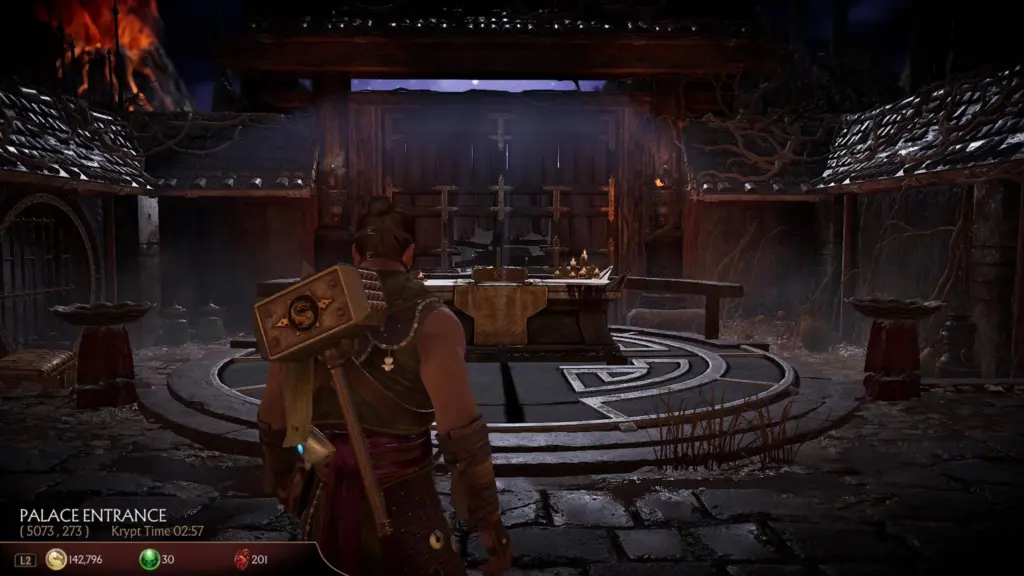
The Palace Entrance is the cleanest starting point because it gives early resources and introduces the first essential tool. Open the two free starting chests, collect the basic currency, then move toward Shao Kahn’s War Hammer. This is the first major checkpoint in the entire Krypt.
The War Hammer matters because it changes the map from a corridor into a branching space. It breaks weak walls, destroys debris and opens access toward the Courtyard and Dead Woods. Before the hammer, you are mostly following the game’s opening path. After it, route decisions start to matter.
This is also where early spending discipline begins. It is tempting to open every nearby chest because the first area feels safe and rewarding. Resist that habit. The first goal is not to empty the Palace Entrance. The first goal is to unlock movement and reach areas that contain stronger progression tools.
Dead Woods Teaches the First Real Krypt Lesson
Dead Woods is the first area where the MK11 Krypt starts asking for observation instead of simple spending. The space introduces Soul-based interactions, Shao Kahn chest routes, flaming chests you cannot yet open and environmental puzzles that punish careless movement.
The rotating body pillar puzzle is a good example of Krypt logic. It is not only there for decoration. It teaches that some rewards come from reading the environment, checking formations and interacting with objects in the right order. A player who rushes from chest to chest misses the point of the area.
Dead Woods also contains expensive rewards that are better delayed. The submerged chest connected to Soul Fragment interaction and a very high Koin cost is not something most players should pay for immediately. If a Scavenger’s Lockpick or better resource situation is available later, revisiting becomes smarter than draining your account early.
This is the first major lesson of the Mortal Kombat 11 Krypt: a visible reward is not always a good immediate reward. Sometimes the best move is to mark the location mentally and come back when the cost makes more sense.
Use the Courtyard as a Hub, Not a Loot Trap
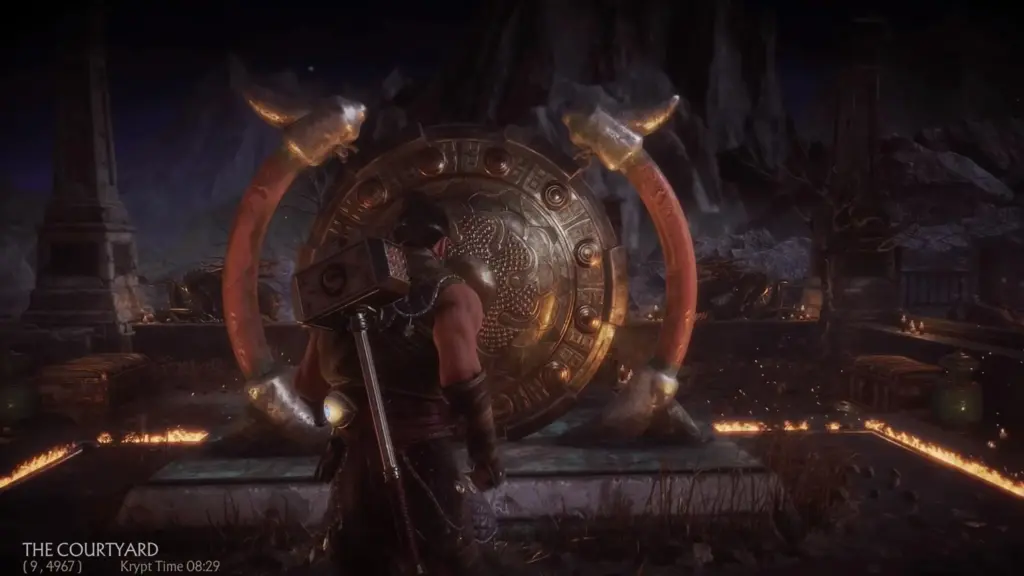
The Courtyard can mislead players because it looks like a generous loot area. In reality, it is more important as a hub. It connects key routes toward the Forge, Warrior Shrine, Gardens and deeper access points that later lead toward Goro’s Lair.
The gong is the priority here. Ringing it opens the southern route and gives a useful Koin reward, making it a stronger early action than scattered chest spending. It also pushes the route forward into areas that matter for key-item progression.
From the Courtyard, your next goals should be practical: open the Forge route, reach the Warrior Shrine, trigger access to the Gem of the Living, unlock the Balance Door and move toward Motaro’s Horn. This sequence keeps the Krypt moving. Without it, players often circle the same surface areas while burning currency on rewards that do not solve route problems.
Forge, Shrine and Motaro’s Horn Push the Route Forward
The Forge can look like a place where you should immediately start crafting, but early in the Krypt it is better treated as a landmark and future utility station. Crafting becomes more useful when you understand recipes, resources and item requirements. Early blind crafting can waste materials without improving progression.
The Naknadan Shrine has one early fixed priority: the first 1,000 Koin donation gives Kronika’s Amulet. That item becomes important later for the Elder God puzzle, so do not overcomplicate the first donation. Use the shrine correctly, collect the amulet and move on.
The Warrior Shrine route then becomes essential because it connects to the Gem of the Living. Once that item is used at the Balance Door, the Gardens and Vault become meaningful route sections rather than optional scenery. The Vault contains the Cracked Horn of Motaro, which opens the large gate past the Warrior Shrine and sends the player into the next major phase of the Krypt.
Motaro’s Horn is a turning point. Before it, the surface teaches currencies and route discipline. After it, Goro’s Lair introduces denser item chaining and hidden access.
Goro’s Lair Is About Tools, Not Full Clearing
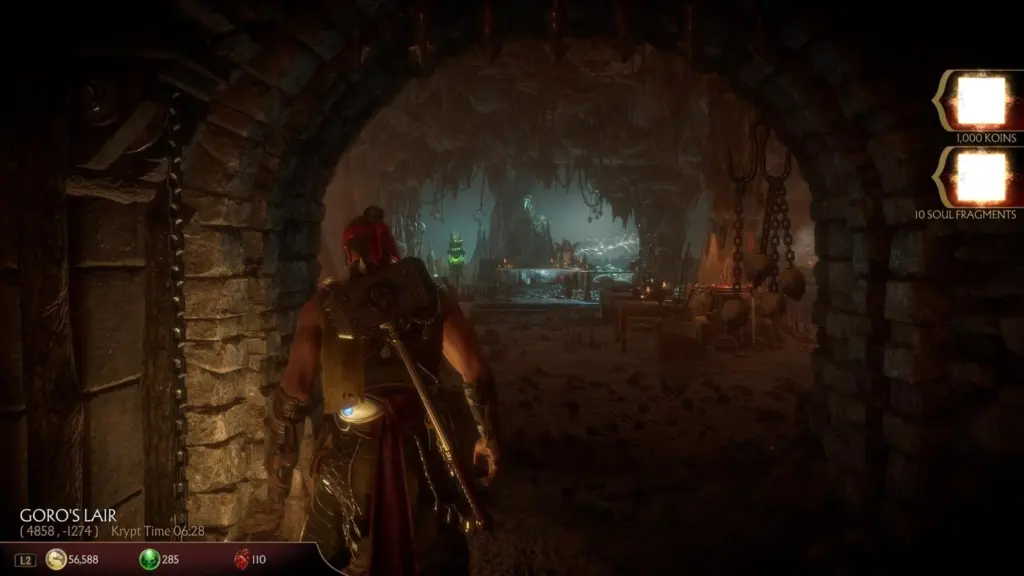
Goro’s Lair is where many players lose structure. The area is large, dark, layered and packed with side rooms. Trying to clear everything on the first pass is inefficient. The better approach is to hunt for permanent tools that make the rest of the Krypt easier.
Your first underground priority should be Scorpion’s Chained Spear. Once collected, it lets you interact with flaming skulls and hanging bodies. This changes the economy because flaming chests become accessible and hanging bodies become a practical source of Hearts. A player who was short on Hearts before can now farm them more consistently.
After that, the next major goal is Kenshi’s Blindfold. This item reveals hidden walls, secret chests and invisible routes. It is one of the most powerful tools in the Krypt, but it has a cost: it drains Soul Fragments while active. That means it should be used in short checks, not worn while wandering casually.
Use the Blindfold for suspicious dead ends, blank walls, hidden chest zones and rooms where the layout feels incomplete. Turn it off quickly. Soul Fragments are too valuable to waste on long walks.
Kenshi’s Blindfold and Hidden Route Discipline
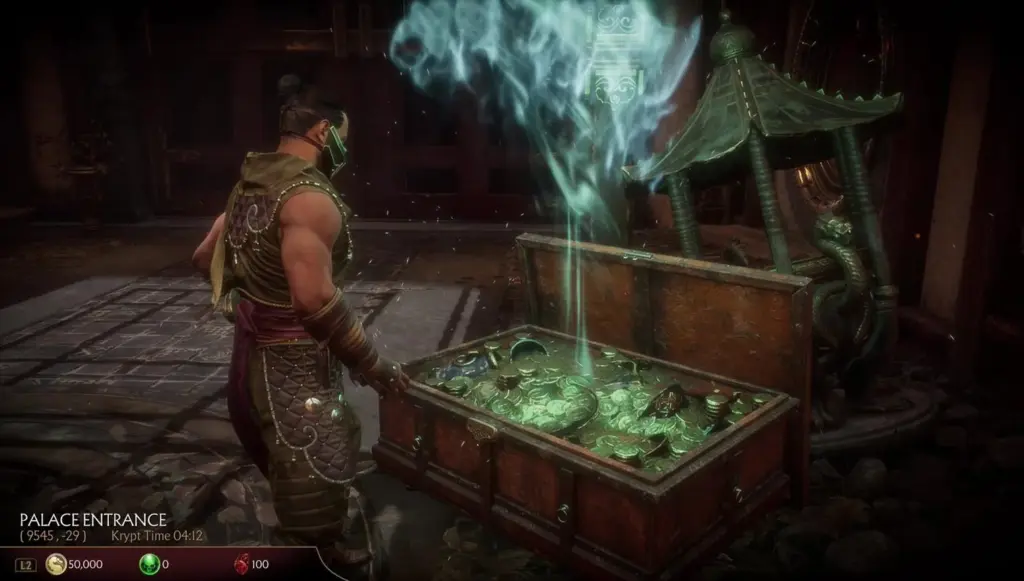
Kenshi’s Blindfold deserves its own rule because it changes player behavior. It makes hidden rewards visible, but it also turns exploration into a resource drain. The best use is controlled scanning: enter a room, check suspicious walls or corners, then deactivate it before moving on.
This keeps Soul Fragments available for later gates and Soul-based interactions. Players who leave the Blindfold active too long often create their own mid-route shortage and then have to grind before continuing.
Ermac’s Amulet Makes Old Areas Valuable Again
The Blood Pit route leads to Ermac’s Amulet, another major upgrade in how the Krypt functions. Once you have it, Soul Spires, green rubble, blocked paths and dead-looking infrastructure become interactive. This is the point where earlier zones need a second pass.
A weak Krypt route treats each area as finished once the visible chests are opened. A stronger route understands that the map changes when your tools change. After Ermac’s Amulet, surface zones become worth revisiting because blocked interactions can now produce new rewards or shortcuts.
Good revisit targets include lower routes near the Warrior Shrine, blocked Courtyard paths, selected Dead Woods interactions and any location where Soul-based rubble prevented movement. This is also when Soul Fragment management becomes more serious. Spending Souls casually before this point can create pressure later when several interactions compete for the same currency.
The Krypt now becomes a network. You are no longer moving forward only. You are moving forward, returning, unlocking, and re-reading old spaces with better tools.
Late-Route Gates: One Being, Elder God Puzzle and Severed Heads
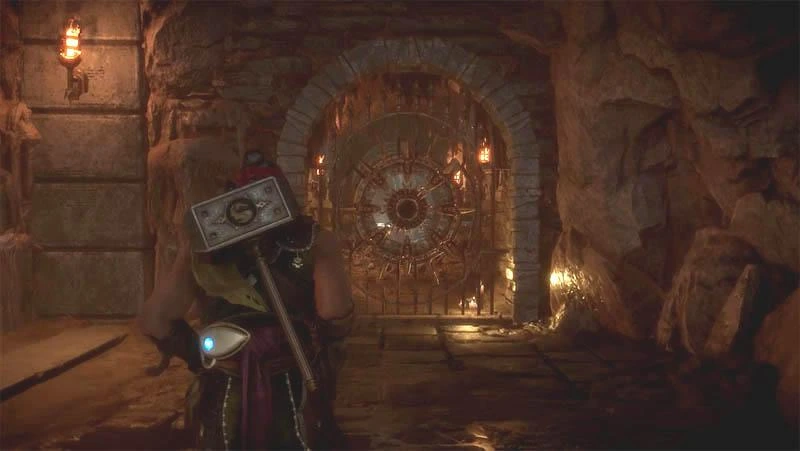
The late Krypt is not gated only by exploration. It connects to broader Mortal Kombat 11 progression. The Door of the One Being requires fragments earned through fatalities, brutalities and mercies in towers. That makes the Krypt part of your wider account activity, not a self-contained dungeon.
Behind that route sits the Heart of Blaze, which becomes important for The Sacrifice. This is where players who ignored tower progression can hit a wall. The map may be open, but the account is not ready.
The Elder God puzzle is another demanding filter. It requires Kronika’s Amulet, Shinnok’s Amulet and Cetrion’s Amulet. The first comes from shrine logic. Shinnok’s Amulet requires Forge crafting. Cetrion’s Amulet comes through the severed head system. If you delayed these requirements too long, the puzzle becomes a late-game bottleneck.
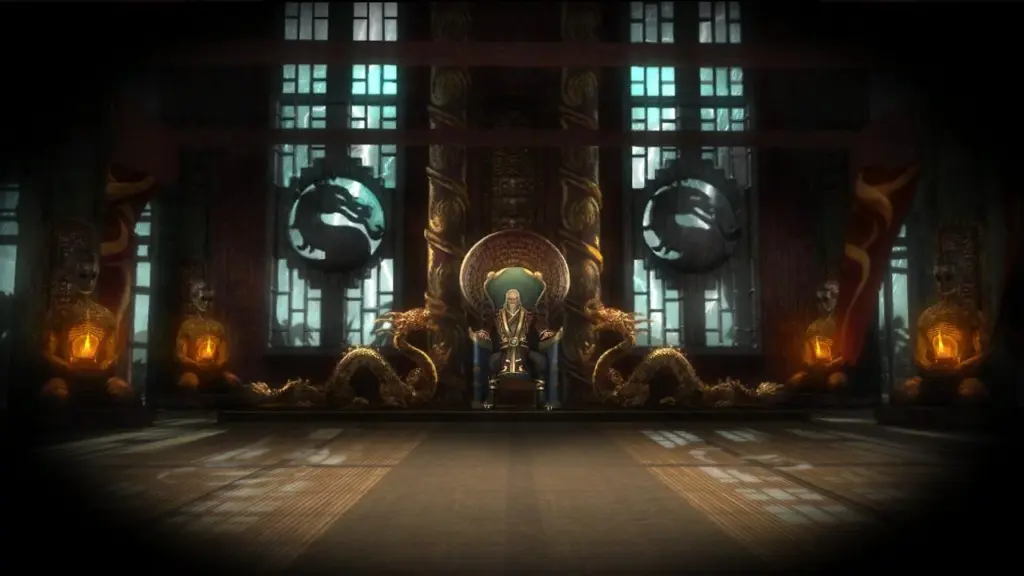
The severed head system also unlocks premium treasure spaces at the Warrior Shrine. Ten heads open Shang Tsung’s Throne Room, fifteen open the North Treasure Cache, and twenty-five open the West Treasure Cache. These rooms are expensive, but their rewards feel more structured than random early chest routes. By this point, spending large amounts of Koins makes more sense because the player is opening deliberate end-route caches.
The Best MK11 Krypt Strategy
The best MK11 Krypt strategy is order before spending. Get the War Hammer before detours. Use the Courtyard to open routes, not to drain Koins. Secure Motaro’s Horn before trying to master deeper progression. Get Scorpion’s Spear before worrying about flaming chests. Use Kenshi’s Blindfold in short bursts. Unlock Ermac’s Amulet before heavy Soul-based backtracking.
This route keeps the game readable. It also protects the currencies that become harder to replace later. Koins are useful, Hearts are targeted, and Soul Fragments become technical fuel for hidden access. Treating them differently is what separates a smooth Krypt run from a frustrating one.
If the Mortal Kombat 11 Krypt feels random, the problem is usually not the map. It is the order of decisions. Once the key items are collected in the right sequence, the Krypt stops behaving like a chaotic loot cave and starts working like a designed progression puzzle. Open routes first, spend second, and revisit old areas when new tools make them valuable.