The list of new games coming out in 2026 is already dense enough to feel less like a simple calendar and more like a planning problem. Players are not only choosing between genres anymore. They are comparing release windows, platform access, expansions, remasters, early access launches and the risk of several major titles landing too close together.
As of May 2026, the year has already shown its shape. Spring delivered a crowded run of releases, Switch 2 has become a recurring factor in platform planning, and the second half of the year is building around larger franchise names, action games, RPGs and story-driven projects. Practical verdict: 2026 is a year where players should build a watchlist in tiers rather than follow every announcement equally. Fixed-date releases deserve priority, while winter and TBA titles should stay on the radar until their launch windows harden.
Why 2026 Is Not Just Another Busy Release Year
A busy game year usually means many titles. In 2026, the more important point is how different types of releases compete for the same attention. A full AAA launch, a major expansion, a Switch 2 port and an early access survival title can all appear in the same buying window. For a player with limited time, that changes the value of a release date.
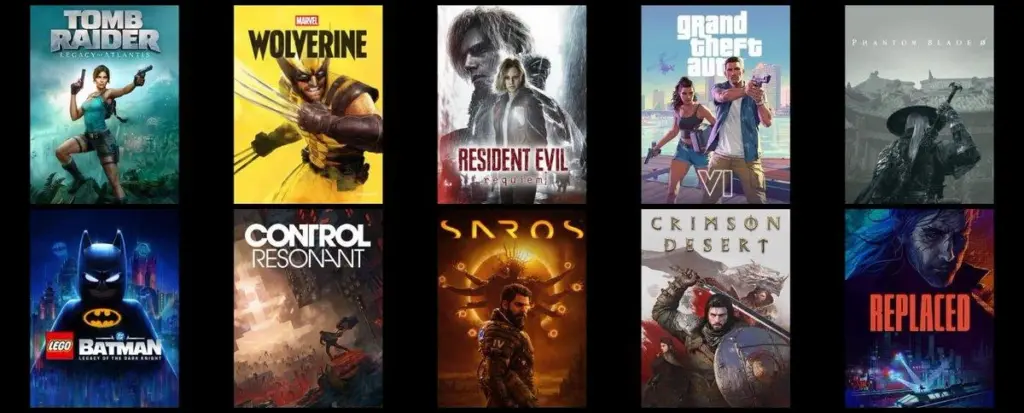
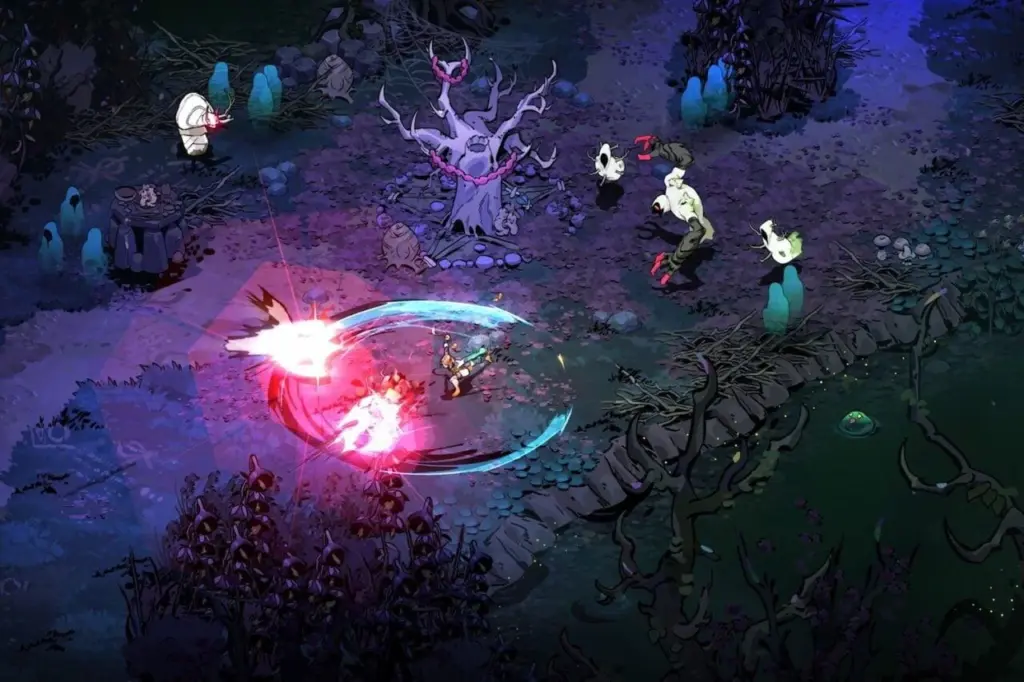
April made that clear. It was not only crowded by volume; it mixed different release formats. Hades II, Replaced, Mouse: P.I. for Hire, Pragmata, Diablo IV: Lord of Hatred and Saros all sat in or near the same monthly conversation. A player looking at that stretch was not choosing between similar products. They were choosing between a major sequel, a stylish indie-leaning release, a Capcom science-fiction project, a live-service expansion and a platform exclusive.
That is why a modern video game release calendar needs more than dates. The useful questions are simple: is the game actually dated, which platforms are included, is it a full release or expansion, and does it compete with something bigger in the same week?
April Set the Pattern for the Rest of the Year
April 2026 became the first major pressure point because it concentrated recognizable names in a short period. The middle of the month was especially tight, with several releases landing close enough to force players into practical choices. Even for players who follow games coming out soon every week, that kind of clustering creates friction.
The issue is not only money. It is attention. A long RPG, a replayable roguelike, a cinematic action game and a live-service expansion all ask for different kinds of commitment. Buying two games in the same week may be easy; properly playing them is harder.
Mid-April showed how wishlists collide
The mid-April window mattered because it exposed the weakness of a flat list. If Hades II, Replaced and other major names are treated as equal rows, the reader gets dates but not guidance. A stronger reading separates them by likely commitment. A compact action or narrative game can fit between larger releases. A deep progression-based title may dominate several weeks.
This is where players should start using a simple priority system:
- buy immediately if the game is dated, platform-confirmed and matches your main genre;
- wait for reviews if the title is technically ambitious or has unclear performance;
- delay expansions if you are not current with the base game;
- treat ports and remasters as schedule fillers unless they are your first chance to play.
That system is more useful than reacting to hype. In a crowded month, the best game for one player may be the worst timed purchase for another.
Platform Strategy Is Driving the 2026 Calendar
One of the strongest patterns in upcoming video game releases is the importance of platform strategy. Switch 2 appears throughout the year not only as a home for new games but also as a destination for ports, enhanced editions and franchise reintroductions. That gives Nintendo’s newer hardware a larger role than a normal platform column in a table.
For PS5, the calendar still leans heavily on prestige, exclusives and visually ambitious projects. Xbox and PC remain closely connected through cross-platform releases, early access ecosystems and large franchise support. PC continues to benefit from the broadest release style: full launches, indies, simulations, strategy games and experimental early access builds.
The practical effect is clear. A game launching on PS5, Xbox and PC enters the year with a different ceiling than a game tied to one ecosystem. At the same time, exclusivity can sharpen attention. Saros on PS5, for example, does not need the same platform spread to become a key release if it gives that audience a strong enough reason to focus.
May and June Shift the Calendar From Crowded to Strategic
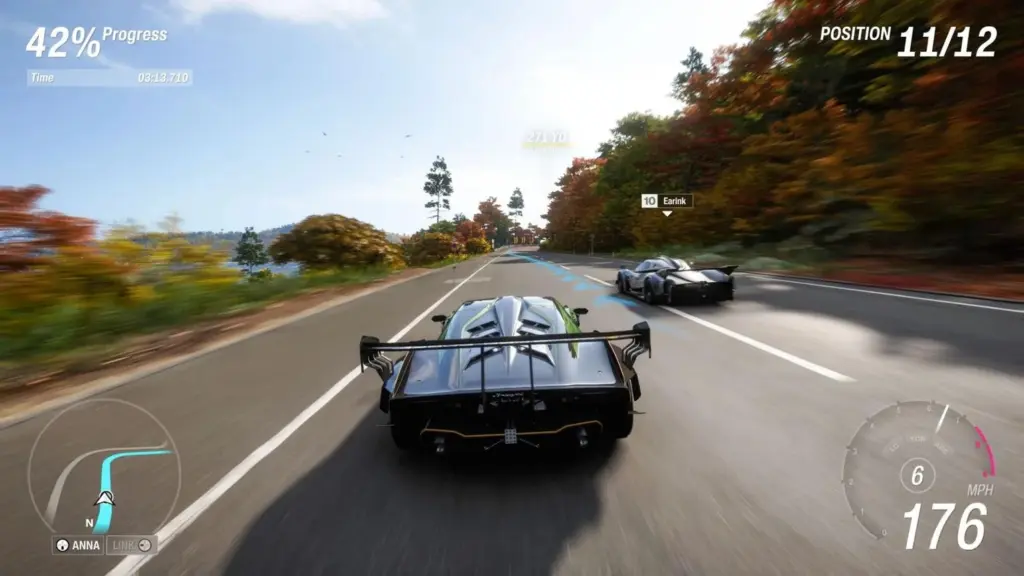
After April’s density, May and June feel more strategic. May has fewer headline collisions but more brand recognition. A major racing release such as Forza Horizon 6 can anchor the month because it gives Xbox and PC players a clear focal point. 007 First Light and other recognizable names keep the wider conversation active, while Subnautica 2 shows why early access needs to be read differently from a standard release.
Early access changes the meaning of a date. A game can be “out” in a commercial sense while still being unfinished in a design sense. For survival games, that can be acceptable if the core loop is strong. For players who want a complete story, stable performance and polished systems, early access should sit in the watchlist tier rather than the immediate-buy tier.
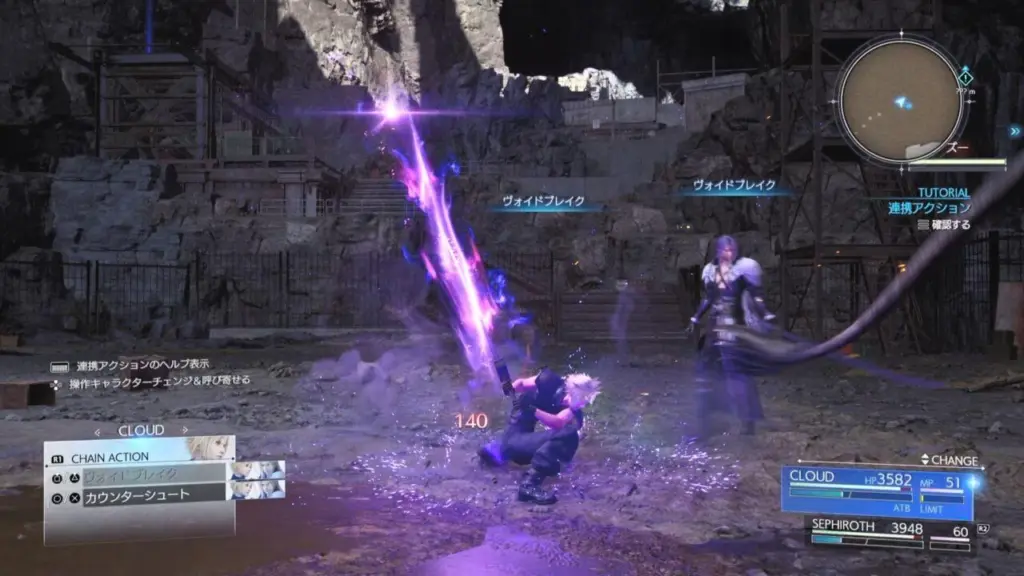
June continues the platform story. Switch 2 versions and summer releases help maintain momentum after spring without repeating April’s heavy congestion. This is the part of the calendar where players can catch up, test early access impressions, and decide which late-summer games deserve budget space.
| Period | Calendar role | Player priority |
| April | Heavy release clustering | Choose by commitment, not hype |
| May | Bigger name recognition | Track anchors like racing, licensed games and early access |
| June | Platform momentum | Watch Switch 2 support and summer pacing |
| July–September | Second wave hardening | Separate fixed dates from marketing windows |
| Winter | Narrative and franchise weight | Watch Metro 2039 and other windowed releases |
July Through September Is Where the Second Half Takes Shape
The middle of the year usually separates real release plans from loose placeholders. In 2026, July and August already look defined enough for active tracking, while September begins to feel like the first major bottleneck after spring.
Rhythm Heaven Groove, Granblue Fantasy: Relink – Endless Ragnarok, Digimon Story Time Stranger and other July titles give the month variety rather than one obvious center. August adds fighting games, remaster collections and genre releases that may not all target the same audience but still compete for the same attention window.
September is more dangerous for buyers because it starts to look like a true fall gateway. Phantom Blade 0, Marvel’s Wolverine and Trails in the Sky 2nd Chapter appeal to different audiences, but each can demand serious time. An action game can dominate a week through spectacle. A character-driven RPG can dominate a month through length. A major superhero release can dominate public conversation even among players who were not initially planning to buy it.
September creates a genre split
The useful way to read September is not “which game is biggest?” The better question is “which game disrupts your schedule most?” Phantom Blade 0 appears positioned for players who want speed, combat precision and visual intensity. Marvel’s Wolverine carries the weight of a major character and platform identity. Trails in the Sky 2nd Chapter serves players who value long-form RPG structure and continuity.
Those three audiences overlap less than the hype cycle suggests. A player who wants a compact action hit may not want a long RPG at the same time. A Marvel-focused buyer may ignore both. That is why calendar pressure is personal, not universal.
Metro 2039 Gives Winter 2026 a Strong Narrative Center
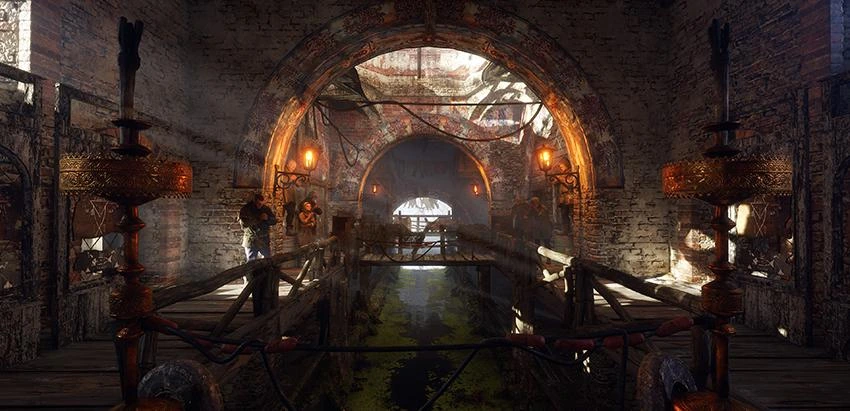
Metro 2039 changes the late-year conversation because it is not just another shooter name placed into a winter window. It is the next mainline Metro title from 4A Games, set in post-apocalyptic Moscow, built around a new protagonist and positioned as a story-driven FPS with survival, stealth, combat and exploration.
The official material points to a darker conflict inside the Metro, with Hunter and the Novoreich regime shaping a world built around propaganda, fear and control. That matters because Metro has always been strongest when atmosphere and political pressure are as important as weapons. Metro 2039 appears to continue that identity while moving away from simply repeating Artyom’s earlier role.
The release window is still “winter,” so players should treat it as watchlist priority rather than a fixed purchase date. But it is already more concrete than a vague TBA listing. It has platforms, a setting, a protagonist shift and a clear narrative direction. For a calendar article, that makes it one of the most important late-2026 games to track.
Why Metro 2039 stands apart
Metro 2039 has several advantages in a crowded release year. It carries franchise recognition without looking like a simple remaster. It returns to a setting with strong identity. It has official confirmation for PS5, Xbox Series and PC. It also keeps Dmitry Glukhovsky connected to the creative direction, which matters for players who see Metro as a narrative universe rather than only an FPS series.
The main risk is timing. A winter release window can still move, and a technically ambitious single-player game can be delayed if performance, console optimization or production conditions require more time. Players should follow it closely, but not build a fixed December buying plan around it until the date is locked.
S.T.A.L.K.E.R. 2: Cost of Hope Shows Why Expansions Count
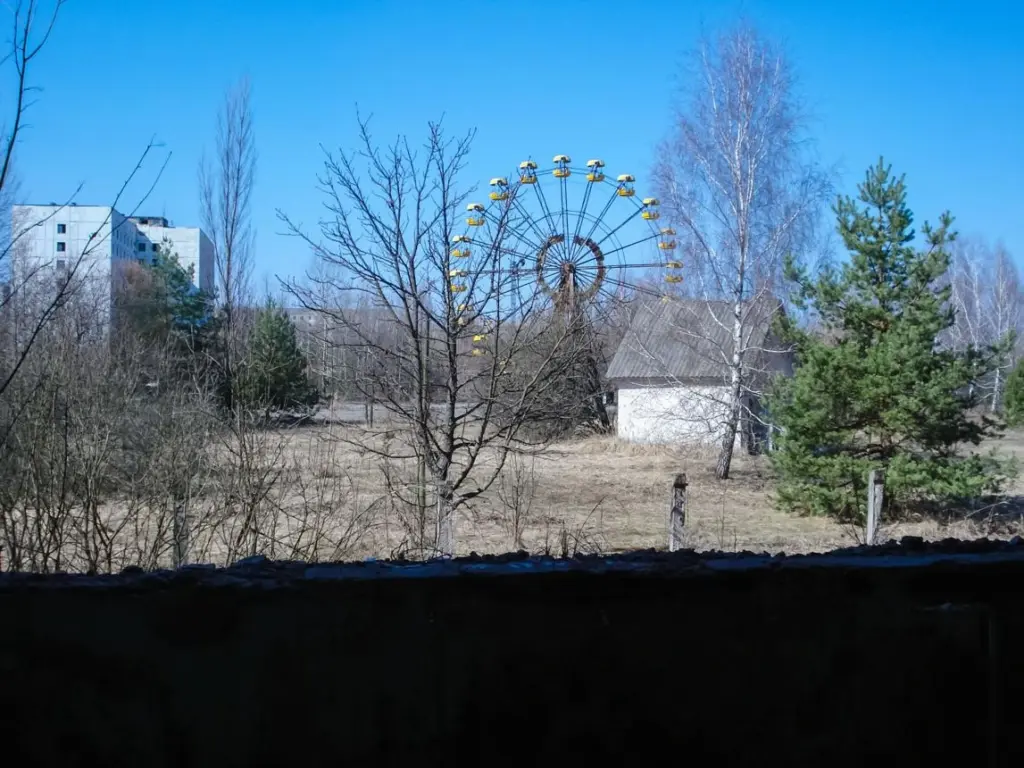
New games coming out in 2026 are not limited to brand-new standalone releases. Major expansions now compete directly with full games, especially when they add story, regions, systems and dozens of hours of play. S.T.A.L.K.E.R. 2: Cost of Hope is a strong example.
The expansion is scheduled for summer 2026 and adds a large new storyline for Heart of Chornobyl. Its importance comes from scale. When an expansion introduces new regions such as the Chornobyl Nuclear Power Plant and Iron Forest, adds quests, gear and narrative consequences, it becomes more than bonus content. For many players, it functions like a major release inside an existing world.
Metro 2039 and S.T.A.L.K.E.R. 2 are not the same type of game, but they do share a broader audience lane. Both rely on atmosphere, pressure, world-building and Eastern European creative identity. Metro 2039 looks positioned as a dense, authored, story-first FPS. S.T.A.L.K.E.R. 2 expands through open-world survival, faction tension and long-form exploration.
For players, the difference matters. Metro may be the better fit for a controlled single-player narrative. S.T.A.L.K.E.R. 2: Cost of Hope is more likely to appeal to those who want a hostile world that keeps producing systems, risks and emergent stories.
How Players Should Use the 2026 Release Calendar
The smartest way to read the 2026 game release calendar is to stop treating every title as equal. A fixed-date release, a vague window, an early access launch and a DLC expansion do not carry the same planning value. They belong in separate tiers.
Immediate-buy games should have a confirmed date, confirmed platform and a clear match with your preferred genre. Watchlist games should have strong official detail but uncertain timing. Schedule-dependent releases should stay visible but not control your budget yet.
That approach prevents two common mistakes. The first is buying too much during a crowded month and abandoning half of it. The second is ignoring windowed releases until they suddenly receive a final date near other major games. In 2026, both mistakes are easy to make because the year has strong releases across spring, summer, fall and winter.
For most players, the best plan is simple: pick one main game per crowded month, keep one flexible secondary slot, and delay anything that depends on patches, performance impressions or unfinished early access systems. The calendar is full enough that patience will often improve the buying decision.
What Matters Most Before You Buy
The headline list of new video games coming out in 2026 is exciting, but the better question is practical: which releases deserve time on day one? April proved that release density can make good games compete badly with each other. May and June show how platform strategy and early access complicate planning. September looks like the next major pressure point. Winter now has Metro 2039 as a serious narrative release to watch.
For players, the safest approach is not to chase every date. Track the platform, release type and commitment level behind each game. A remaster, expansion, early access title and full AAA launch can all be worth playing, but they should not be judged by the same buying logic. In 2026, the best calendar is not the longest list. It is the one that helps you decide what to play now, what to wait for, and what to keep open until the date becomes real.