New games coming out in the next release cycle show a clear pattern: players still respond strongly to dark worlds, faction conflict, survival pressure and action systems with a strong identity. That is why the Underworld universe remains interesting as a game concept, even without a major modern adaptation on the calendar.
The original Underworld story was already built like a game system. Vampires, Lycans, covens, bloodlines, hybrids, elite assassins and hidden urban warfare all have rules. A modern release would not need to invent a structure from zero. It would need to translate those rules into combat, progression, faction choice and player consequence.
Why Underworld Fits Modern Game Design
Underworld works as a game concept because its conflict is not vague. Vampires and Lycans are not just visual opposites; they represent different styles of power. Vampires are disciplined, political and weapon-oriented. Lycans are physical, adaptive and violent at close range. That contrast creates a natural design foundation.
A strong action game needs clear friction. The player must feel why one side behaves differently from the other. In Underworld, this already exists in the mythology. Vampire covens operate through hierarchy, training and control. Lycans carry rebellion, mutation and pack aggression. If a game uses that properly, the factions become gameplay systems rather than cosmetic teams.
The practical advantage is simple: players understand the fantasy quickly. A vampire character should feel precise, fast and tactical. A Lycan should feel dangerous, heavy and explosive. A hybrid should feel powerful but unstable. These expectations are easy to read, which gives designers room to build depth without confusing the player.
The Core Conflict Can Become the Main Gameplay Loop
A modern Underworld game should not treat the vampire-Lycan war as background lore. It should make that war the engine of the game. The best version would connect missions, territory, character upgrades and story outcomes to faction pressure across the city.
This could work through districts controlled by different sides. A vampire-controlled area might favor vertical routes, surveillance, hidden entrances and elite patrols. A Lycan-controlled zone might be more chaotic, with ambushes, tunnels and close-range danger. The same map could feel different depending on who controls it.
The loop would be strongest if faction conflict affected more than combat. For example, helping a coven might unlock better weapons and intelligence, but reduce trust with hybrid or Lycan contacts. Supporting Lycan resistance could open brutal transformation paths, but make stealth and political access harder. The player would not just choose missions. They would shape the pressure around them.
A practical structure could include:
- territory influence across urban districts;
- faction reputation with covens, packs and hybrid groups;
- mission outcomes that change enemy density;
- ability upgrades tied to bloodline or infection path;
- story branches based on loyalty and betrayal.
This is where Underworld still feels current. Many games now use faction systems, but fewer connect them tightly to biology, politics and combat identity.
Selene and Michael Offer Two Different Progression Models

Selene and Michael are useful because they represent two very different player fantasies. Selene is controlled power. She is trained, armed, disciplined and dangerous before the story begins. Michael is unstable power. He becomes important because his biology changes the rules of both species.
That gives a modern game two strong progression paths. A Selene-style campaign could focus on precision combat, stealth entries, firearm mastery, acrobatics and tactical assassination. The player improves through discipline. Better tools, faster movement, sharper counters and cleaner execution define the curve.
A Michael-style path would work differently. His progression should feel reactive and biological. Instead of simply unlocking skills, the player would manage mutation, rage, resistance and hybrid abilities. This path could include stronger melee power, regeneration, temporary boosts and dangerous loss-of-control moments.
Controlled power versus unstable power
The most interesting design choice is not which path is stronger. It is how each path creates limits. Selene may have better control, but she remains tied to vampire weaknesses and coven politics. Michael may gain hybrid strength, but that power could attract enemies and trigger narrative consequences.
That tension matters because great progression is not just about becoming stronger. It is about deciding what kind of strength is worth the cost.
Underworld: Bloodline Proved the Basic Idea Early
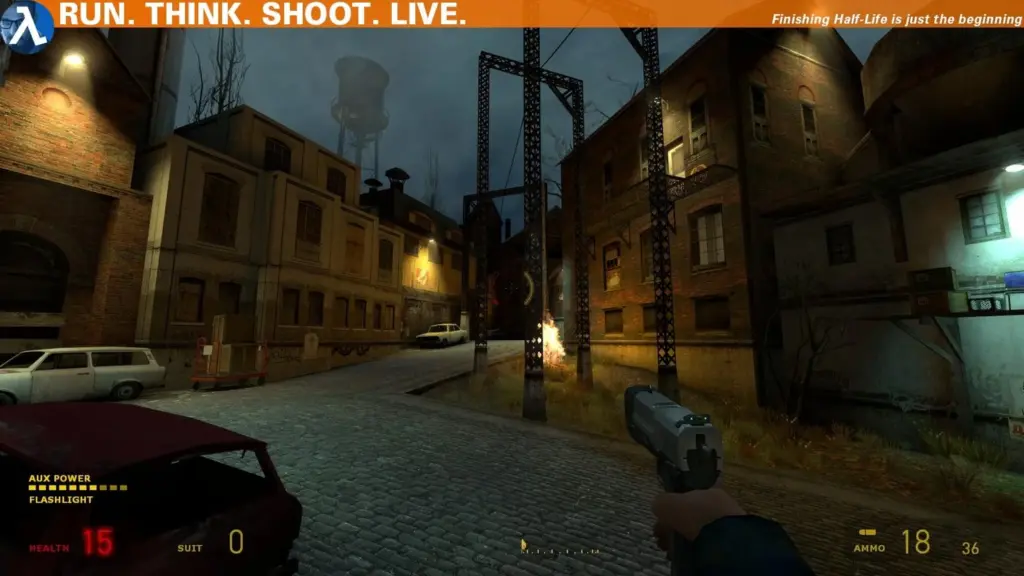
Underworld already had a game presence through Underworld: Bloodline, a Half-Life multiplayer mod released in 2003 as part of the film’s promotional cycle. It was limited by its time and format, but the core idea was strong: Vampires and Lycans fought in team-based matches while trying to secure hybrid-related objectives.
The value of that early project is not production scale. It is proof of design fit. Even in a simpler form, the universe supported asymmetric play. Vampires and Lycans were not identical skins. Their conflict created different movement, combat and objective pressure.
A modern version could take that foundation much further. Instead of small maps and basic team objectives, the game could use persistent districts, class roles, hybrid events and narrative seasons. The old mod showed the skeleton. Today’s tools could add the muscle.
What a Full Modern Underworld Game Would Need

A serious Underworld release would need more than gothic style. The setting is attractive, but atmosphere alone would not be enough. The systems must make the player feel the rules of the world.
The first requirement is faction identity. If vampires, Lycans and hybrids play too similarly, the whole concept weakens. Each group needs different movement, strengths, weaknesses and upgrade logic. Vampires could rely on speed, weapons, stealth and verticality. Lycans could dominate close combat and environmental destruction. Hybrids could combine both sides, but require tighter risk management.
The second requirement is a strong day-night structure. Underworld is visually tied to darkness, but gameplay can use that more deeply. Night could empower open movement and faction activity. Daytime could restrict certain routes, increase risk, or push missions into underground spaces, safe houses and interior zones.
The third requirement is consequence. Underworld is a story about bloodlines, loyalty and betrayal. A game should reflect that through permanent or semi-permanent choices. If the player changes allegiance, uses hybrid power too often, or exposes a hidden faction, the world should respond.
Similar Dark Games Show the Market Still Has Space
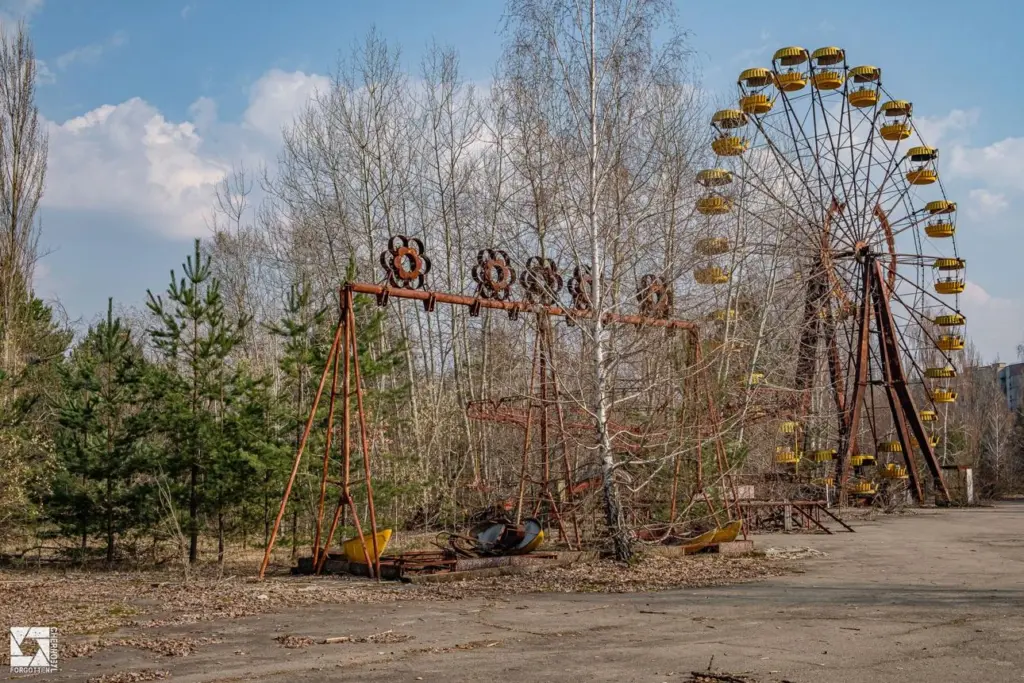
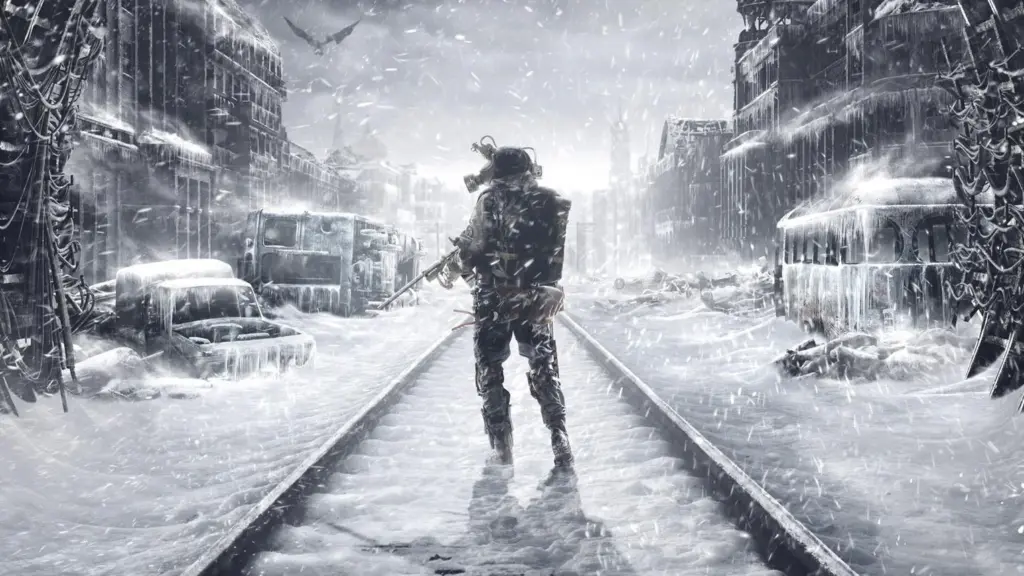
The current release environment shows that dark, pressure-heavy games still have a strong audience. Metro 2039 is relevant here because it shows how a shooter can lean on atmosphere, politics, fear and survival rather than pure spectacle. Its value comes from mood and narrative density, not only from weapons.
S.T.A.L.K.E.R. 2: Cost of Hope points in another direction. It shows how an expansion can keep a hostile world alive through new regions, faction tension and long-form exploration. That matters because an Underworld game could also live beyond one campaign if its world systems were strong enough.
These games are not Underworld clones. Metro uses post-apocalyptic survival and human conflict. S.T.A.L.K.E.R. leans into open-world danger, anomalies and faction ideology. Underworld would use supernatural biology, gothic urban spaces and hidden war. But all three depend on atmosphere, pressure and systems that make the world feel hostile.
Single-Player and Multiplayer Should Work Together
The strongest Underworld game would not need to choose between story and online play. It could use both, as long as each mode has a clear job.
The single-player campaign should carry Selene, Michael, bloodline politics and the central mystery. That mode needs pacing, character focus and designed encounters. Players should feel that they are moving through a hidden war with history behind it.
Multiplayer should focus on faction combat. Vampires and Lycans are naturally suited for asymmetric modes: extraction, territory control, hybrid capture, coven defense, pack assault and timed night operations. The key is to avoid generic team deathmatch as the main identity. Underworld needs objectives that fit its mythology.
A good model would separate modes but connect progression carefully. Cosmetic rewards, faction ranks and lore unlocks could move across modes. Core campaign balance should stay protected so the story does not become dependent on online grinding.
Where an Underworld Game Would Fit Among New Releases
If an Underworld game joined the list of new games coming out in 2026 or later, its best release window would matter. A crowded spring launch could give it visibility, but also force it against larger franchises. A winter release might suit the tone better, especially if marketing leaned into gothic action, vampires, Lycans and narrative conflict.
The game would likely work best as a mid-to-high-budget action title rather than a giant open-world project. Underworld does not need a massive map to succeed. It needs dense urban spaces, strong combat feel, dangerous interiors, vertical routes and faction-controlled areas.
That focus could help it stand apart. Many AAA games chase scale. Underworld would be stronger if it chased pressure. A compact city with meaningful systems would fit the source better than a huge world filled with repetitive activities.
What Players Should Expect From This Kind of Dark Action Game

The main promise of an Underworld-style game is choice under pressure. Do you stay loyal to a coven or break its rules? Do you use hybrid power now or save it for a harder fight? Do you clear a district quietly or trigger a faction response that changes the next mission?
That is the difference between a simple licensed action game and a strong adaptation. The player should not only watch the vampire-Lycan war. They should feel trapped inside its rules.
For players tracking new games coming out, the Underworld concept is a reminder that some older film universes still have unused game potential. The mythology already has factions, combat roles, power limits and narrative stakes. A modern release would only work if it treated those elements as systems, not decoration.
The right version would be dark, focused and mechanically sharp. It would not need to copy Metro, S.T.A.L.K.E.R. or other atmosphere-heavy releases. It would need to understand the same lesson: players remember worlds when the rules of that world affect every fight, upgrade and decision.